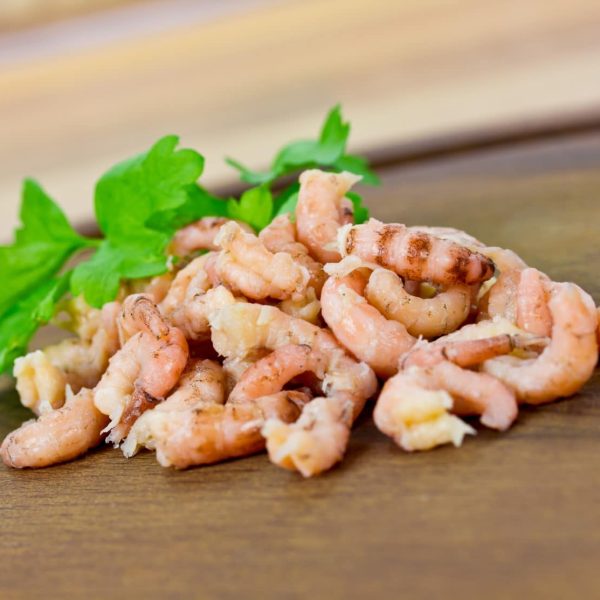
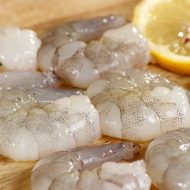
Why Buy Frozen Shrimp?
Frozen shrimp works because it turns a fragile ingredient into a controlled ingredient. Once shrimp is cleaned, sorted and frozen, you’re buying a product that behaves the same way every time: predictable portion sizes, predictable cooking windows, and far less “use it tonight or lose it” pressure. That’s the practical advantage—less waste, easier planning, and repeatable results across midweek meals and bigger cook-ups.
The category content also points to how shrimp is typically handled for freezing: it’s sorted and washed, then frozen using methods like cold brine (to create a protective glaze) or rapid “flash” freezing for cooked whole shrimp before packaging for transport. (Frozen Fish Direct) That’s not romance, it’s process control—rapid freezing stabilises the texture and stops quality drifting while the calendar keeps moving.
Fresh vs frozen is mostly a time-and-handling story, not a morality play. “Fresh” can spend days moving through the supply chain; the same page even notes that fresh fish can commonly be 3–12 days old unless you’ve seen it caught. Frozen, done properly, locks in a point-in-time standard you can actually plan around.
- Freezing slows spoilage. Cold storage preserves bite. Sealed packs reduce dehydration.
- Portions reduce waste. Consistent weights improve cooking. Frozen stock improves meal planning.
One more brand-specific point, stated on-site: Frozen Fish Direct says its fish is filleted, packed and frozen within 3 hours of being caught. You won’t see that exact “caught” timeline apply to every shrimp line (some are farmed), but the core idea holds: the closer freezing happens to harvest and prep, the more “fresh” the eating experience feels when you cook it at home.
Choose Your Shrimp
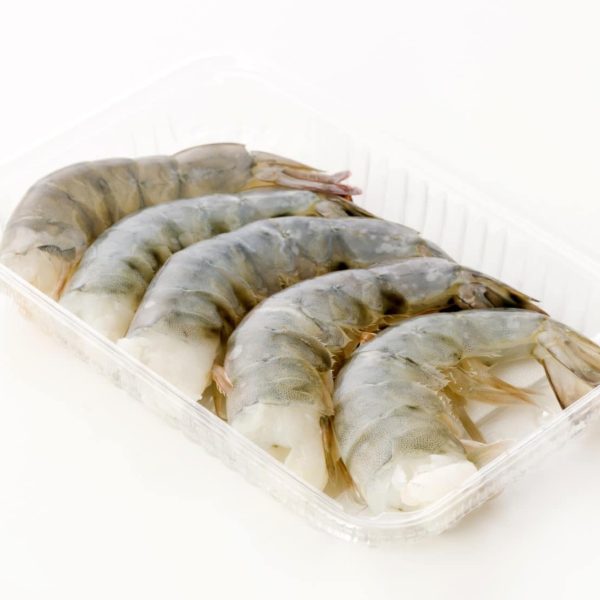
Whole shrimp (shell-on, head-on or headless)
Whole shrimp is the most versatile option if you like to keep control of flavour and texture. The shell acts like a natural buffer in a hot pan or oven roast, helping the meat stay juicy while you build colour on the outside. Shell-on shrimp also holds its shape well, which makes it a solid choice for quick midweek dinners where you want predictable results without overthinking. If you enjoy doing a bit of prep yourself, this is the format that rewards you: peel, devein, then season exactly how you like.
Peeled & deveined (P&D) for speed
Peeled and deveined shrimp is the “straight to pan” workhorse—fast, tidy, and easy to portion. Because the prep is already done, you get portion control without fuss: weigh out what you need, keep the rest sealed, and cook with confidence. P&D shrimp suits high-turnover cooking styles like pan-fry, stir-fry, garlic butter, or quick oven bakes, where timing matters and you don’t want extra steps. It’s also a good match for weeknight meal planning because the sizing is more predictable.
Raw prawns vs cooked prawns
Raw shrimp gives you the widest range of outcomes: you can chase a clean sear, a bouncy bite, or a gentler poach depending on the dish. Cooked shrimp is about convenience—ideal for fast cold uses or when you want to minimise active cooking time. The key is matching the format to the job: raw for heat-driven flavour development, cooked for quick assembly and consistent results when you’re tight on time.
Jumbo / king prawns for high heat
If you want higher tolerance for high heat, go larger. Jumbo or king prawns are thicker through the centre, so they handle grill, plancha, or a ripping-hot skillet without turning rubbery as quickly. They’re the go-to for skewers, char, and that “restaurant-style” bite where the shrimp stays plump and holds its shape. Bigger prawns also suit batch prep because they stay present in the dish instead of disappearing into the sauce.
Speciality lines for specific uses
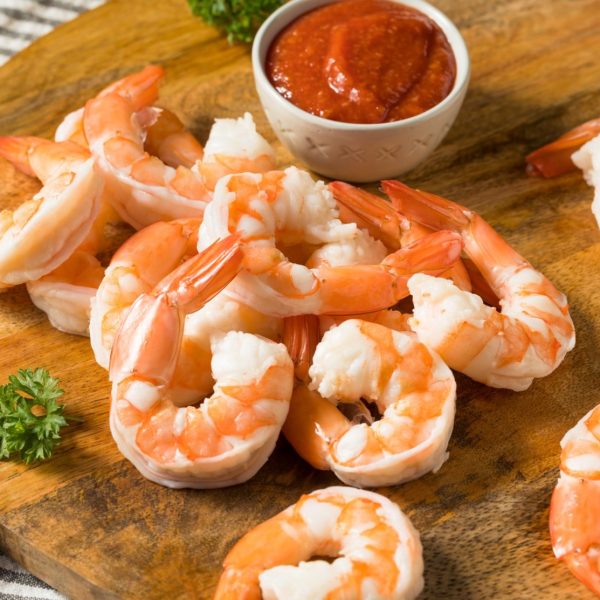
If you’re buying for entertaining, smoking, batch prep, or you prefer slicing your own portions, look for speciality shrimp items designed around a specific use-case—whether that’s skewers, marinated lines, or pre-prepped formats. The point isn’t “better,” it’s “ready”: the right format removes steps and keeps the outcome consistent.
Pick the Shrimp that matches your pan, your timing, and your appetite.
What Arrives at Your Door
Your Frozen Shrimp is handled like frozen food should be handled: fast, cold, and protected from warm air. Every order is Dispatched by DPD overnight courier. We pack it with dry ice in a polystyrene insulated box, because that combination matters in transit: the insulation slows heat gain from the outside, while dry ice helps keep the fish frozen during the journey. The goal is simple—your seafood arrives in “freezer conditions,” not “fridge conditions,” so quality stays where it should be.
Delivery timing is designed to be predictable without overpromising. Orders placed before the stated cut-off are prepared for next working day delivery on eligible days, and the checkout calendar controls the valid delivery dates you can select. That means you’re not guessing which day it will turn up—your available options are shown at checkout, based on when the order is placed and what’s currently eligible.
When your parcel arrives, treat it like a cold-chain handover. Bring it inside and open it promptly, check everything matches your order, then move the packs straight to the freezer and follow the on-pack storage guidance. You may notice the box feels very cold and the contents are hard-frozen—that’s ideal. You might also find there’s little or no visible dry ice left; that can be normal because dry ice turns directly into gas as it does its job.
Dry ice is straightforward to handle as long as you keep it sensible. Avoid direct skin contact, keep the area ventilated while you unpack, and don’t seal dry ice (or a box that still contains it) inside an airtight container. Keep it away from children and pets, and let any remaining dry ice dissipate naturally in a well-ventilated space. The whole point of the system is confidence: frozen seafood, packed for transit, delivered with the cold chain in mind.
Label-First Transparency
Buying Frozen Shrimp shouldn’t feel like guesswork, so we keep the product information practical and consistent. On each item, you’ll see the fields that actually affect what lands in your pan: the cut (whole, tails, peeled, cooked, raw), the weight/pack size, and whether it’s shell-on or shell-off. Where a product format makes it relevant, we also show details like skin-on/skinless and boneless/pin-boned—the point is simple: if a field changes how you prep, portion, or cook it, it should be visible on the product details. For Shrimp, that means you can compare like-for-like instead of squinting at vague descriptions.
We also surface the information people care about when they’re choosing for taste, texture, and preference. If an item is wild or farmed, that’s shown where applicable. If origin or catch area varies by item, we don’t make sweeping promises at category level—those specifics are shown on the product details so you can decide based on the exact pack you’re buying. The same approach applies to format and processing: speciality lines are labelled for their intended use, and anything with added ingredients is described clearly.
Allergen clarity is non-negotiable. Shrimp is clearly flagged as an allergen, and where products are cured, smoked, or otherwise prepared, the ingredients are listed so you know what’s in the pack beyond the seafood itself.
- Cut drives cooking. Weight drives timing. Shell drives flavour.
- Origin informs preference. Method informs texture. Pack size informs value.
- Raw changes timing. Cooked changes convenience. Whole changes prep.
- Clear labels reduce surprises. Consistent fields speed comparisons. Details build trust.
Storage and Defrosting
Frozen Shrimp is easiest to love when you treat it like a good ingredient, not an emergency. The main rule is boring-but-powerful: keep it frozen until you’re ready to use it, and protect it from air exposure. Most packs arrive vac packed, which helps a lot, but once a pack is opened the enemy is the freezer’s dry air. Reseal tightly, press out as much air as you can, and keep the pack flat so it freezes evenly. Store packs where the temperature stays steady (not the freezer door), and rotate stock—older packs forward, newer packs behind—so nothing lingers long enough to pick up freezer burn flavours.
For defrosting, think in a simple hierarchy. Fridge defrost is the default because it keeps the shrimp cold, controlled, and predictable. Keep it contained (a bowl or tray underneath), because drip loss happens as ice crystals melt and you don’t want that liquid wandering around your fridge. When the shrimp is pliable, pour off any collected liquid and pat dry thoroughly before cooking—dry surfaces sear better, and “watery” shrimp is how you end up with that pale, soft finish instead of a clean snap and decent browning.
Quick methods have their place, but they’re less forgiving. If you rush the thaw, the outside can go soft while the centre stays tight, and you’ll notice it in the bite: less firmness, more “wet” chew. That’s especially true for delicate formats, while thicker or slightly fatty cuts forgive heat a bit more. Either way, the goal is the same: control moisture so the texture stays firm, not mushy.
Refreezing is where it pays to be conservative. If the shrimp has been properly defrosted in the fridge, kept cold, and handled cleanly, some products may allow refreezing—but many don’t, and quality always drops. If in doubt, don’t refreeze, and always follow the on-pack instructions first. Keep it simple: thaw what you’ll use, because shrimp is at its best when it stays portionable, cooks fast, and hits the pan dry.
Cooking Outcomes
Pan-sear
Start with a dry surface and a properly hot pan, because moisture is the main thing that stops shrimp from searing. Add the shrimp in a single layer, then leave it alone for the first part of the cook so you get contact and colour rather than steaming. You’ll see the edges turn opaque and the body curl into a loose “C” shape; that’s your cue to turn or toss, not to keep fiddling. Finish gently—once they’re mostly opaque, back the heat off for the last moments so the centre stays juicy and springy, not tight and rubbery. Dry surface equals better sear. Gentle finish protects moisture. Resting evens temperature.
Grill or high-heat plancha
High heat is brilliant for shrimp that can take it, especially larger sizes or shell-on items that give you a bit more protection at the surface. Oil the grill surface (not the shrimp) and lay them down confidently—again, leave them alone long enough to pick up light char marks before moving. Watch for a colour change from translucent grey to opaque pink-white, plus a firmer, bouncy feel when you press; the smell shifts from “raw sea” to sweet, roasted shellfish. Pull them while they still look slightly glossy in the thickest part and let carryover finish the job off-heat. Thickness changes timing. Fat content changes forgiveness.
Oven-roast or air-fry
Use this when you want volume without babysitting a pan—shrimp cooks quickly, so you’re aiming for even heat rather than maximum blast. Spread them out so hot air can circulate and you don’t create a steamy pile that turns soft. The doneness cues are simple: fully opaque bodies, light browning at the edges, and a firm spring when you bite, without that squeaky resistance that screams “overdone.” If you’re cooking mixed sizes, pull the smaller ones first and let the larger ones finish, because thickness changes timing more than people expect. Gentle finish protects moisture.
Sauces, curries, and stir-fries
Treat shrimp like the last-minute ingredient: build the sauce first, then add shrimp near the end so they cook in gentle heat. You’re watching for the moment they turn opaque and curl slightly; once they’re there, stop pushing the boil and let the residual heat finish them. After cooking, rest briefly in the pan off the heat—this evens temperature and keeps the bite tender rather than over-tight. Products that are cured, cooked, or otherwise prepared can have different handling expectations, so follow the product details for the specific pack you’ve chosen. Resting evens temperature.
Nutrition Snapshot
Shrimp is often chosen because it’s a straightforward, lean-tasting seafood that fits a lot of everyday meals without needing heavy prep. In general terms, shrimp provides protein and a spread of naturally occurring vitamins and minerals, but the exact nutrition profile isn’t one fixed number. Nutrients vary by species, cut, and whether it’s wild or farmed, plus how it’s been prepared (raw vs cooked, peeled vs shell-on, plain vs seasoned); for anything specific, check the product details on the pack and on the listing.
It’s also worth thinking about nutrition in the way you’ll actually use the shrimp. A leaner, cleaner bite tends to cook quickly and can go from juicy to firm if you push it too hard, while richer seafood (or shrimp in a sauce, breading, or marinade) can feel more forgiving in the pan. That’s why pack details like size/grade, cut, and whether it’s shell-on or shell-off matter: they don’t just change cost and convenience, they change how the shrimp behaves under heat and how satisfying the final texture feels.
Shrimp is naturally versatile in a balanced diet—pair it with veg, grains, noodles, or a simple sauce and you’ve got a meal that’s easy to portion and easy to repeat. No grand promises needed: it’s simply a practical protein option that works for quick midweek plates and bigger weekend spreads.
If you want predictable results, choose by the label—cut, size, and pack format—then cook it with a light touch. That’s the simplest way to buy shrimp with confidence and enjoy what turns up in the pan.
Provenance and Responsible Sourcing
Shrimp isn’t one uniform product, so we don’t treat it like one. We show method and origin details per product so you can choose what fits your preferences. That means you’ll see the practical information that helps you decide—without sweeping category-wide claims that can’t be backed up for every line.
On each item, look for where it comes from and how it was produced. Some products in the Frozen Shrimp range can be farmed shrimp, and where stocked the category can also include wild shrimp items, plus speciality lines made for specific uses (for example, peeled and deveined packs for speed, or shell-on options when you want more flavour and a firmer bite). When origin or catch/harvest area varies, it’s shown on the product details for that SKU, rather than implied across the whole category.
Production method matters because it often connects to what customers actually care about: taste, texture, size consistency, and personal sourcing preferences. Farmed and wild can both be excellent choices, but they can differ in size grading, availability through the year, and how predictable the eating experience is from pack to pack. The only honest way to shop that is item by item—label first, then decide.
Provenance supports preference. Clear labels support trust. Evidence supports claims. We keep it simple: check the product page for method and origin, then pick the shrimp that matches your priorities—whether that’s a particular region, a specific format for cooking, or a style you like to keep in your freezer as a reliable staple.
Frequently Asked Questions
Is frozen shrimp as good as fresh?
It can be—and the honest comparison starts with what “fresh” really means. Freshness is mostly about time and handling: how quickly the shrimp was chilled after harvest, how long it spent moving through the supply chain, and how consistently it stayed cold. Frozen shrimp is different: it’s about locking in a point in time, so you’re buying a product that’s been stabilised at its best moment rather than hoping the clock hasn’t eaten the quality on the way to you.
Texture and flavour are where people notice the difference, and it’s worth being straight about it. Freezing can affect moisture if it’s done poorly or if the shrimp is allowed to partially thaw and refreeze—this is when you get that slightly watery bite, extra drip loss, or a softer texture than you wanted. But good processing, good packaging, and sensible defrosting protect quality. Shrimp that’s properly frozen, kept sealed (often vac packed or well-protected), and defrosted gently in the fridge tends to cook up sweet and clean, with a firm bounce—especially if you pat it dry before hitting a hot pan or grill.
That’s the logic behind how frozenfish.direct approaches the category: shrimp is processed and frozen within hours to preserve that “just-handled” eating quality, then shipped in insulated packaging with dry ice designed to keep it frozen in transit. With DPD overnight delivery in a polystyrene insulated box, you’re not relying on a long chain of unknowns—you’re aiming for repeatable condition on arrival, which makes planning (and cooking) much easier.
Use-case is the simplest way to decide:
- Portions for midweek: go for peeled/deveined or ready-to-cook packs when speed matters—quick stir-fries, pasta, fried rice, tacos, salads.
- For grilling or high-heat cooking: choose larger sizes or shell-on options where available; they tend to hold shape better and are more forgiving when the heat’s lively.
- For entertaining: whole shrimp, head-on/shell-on styles, or larger “centre-piece” packs are great when presentation matters and you want that restaurant feel without fuss.
If you want predictable results, frozen is the easier way to make Shrimps a routine.
How do I defrost frozen shrimp without it going watery?
Watery shrimp is almost always a thawing problem, not a “shrimp problem”. When shrimp freezes, tiny ice crystals form inside the muscle. If you defrost it too warm or too fast, those crystals melt and push water out as drip loss, leaving you with a softer bite and a puddle in the bowl. The other big culprit is partial thawing and refreezing (even briefly): each cycle damages texture a bit more and can make the shrimp feel spongy or bland. Poor sealing also matters—air exposure dries the surface (freezer burn), then you get a weird mix of dry edges and watery centres when it thaws.
The most reliable flow is simple and boring—in other words, it works. Defrost in the fridge so the shrimp thaws slowly and evenly. Keep it contained so any meltwater doesn’t sit all over the flesh: a tray, shallow bowl, or lidded tub is enough. If it’s vac packed, keep the packaging intact while it defrosts (it limits air contact and helps control moisture movement). Once thawed, drain any liquid, then pat dry thoroughly with kitchen paper before cooking—dry surface equals better sear and less steaming in the pan.
A few “by cut” pointers, translated into shrimp reality:
- Portions (peeled/deveined, tails, cocktail shrimp): easiest to control because they’re small and even; they thaw more uniformly and you can separate what you need without over-handling the rest.
- Thicker pieces (jumbo shrimp, whole shell-on): behave like “thick fillets” in the sense that they need more time to thaw through the centre; keep them in the fridge until flexible all the way, and don’t rush them on the counter.
- “Steaks behave differently”: that’s truest for fish steaks and thick cuts where the centre warms slowly and holds water; with shrimp, the equivalent is simply size and shell-on vs shell-off—bigger and more protected tends to be more forgiving.
Backup plan: if you’re in a hurry, some shrimp can be cooked from frozen in saucy methods or gentle heat, but it’s less ideal for a hard sear. Follow on-pack guidance and product details for what’s best.
Good defrosting is texture control.
Wild vs farmed shrimp — what should I choose?
Both wild and farmed shrimp can be excellent — the best choice usually comes down to what you like and what you’re cooking, not a simple “better vs worse” ranking. Think of it as picking the right tool for the job: flavour, firmness, and consistency matter more than labels on their own.
Here’s the practical difference, in plain terms. Wild shrimp often has a slightly more pronounced, “sea-forward” flavour and can feel a bit firmer, depending on species and season. The trade-off is that wild supply can be less uniform, so size and texture may vary more from pack to pack. Farmed shrimp is often prized for consistency: predictable sizing, steady availability, and a reliable bite. Flavour can be a little milder in some cases, which isn’t a weakness — it can be exactly what you want when the shrimp is carrying a sauce or spice blend. Fat level tends to be low across shrimp generally, but you may notice differences in perceived richness and juiciness based on species, size, and how it’s been handled.
Price and value also play a role, and it’s okay to say that out loud. Wild items can cost more when supply is tighter; farmed options can offer better repeatability for weekly cooking. Instead of guessing, use the product details: on frozenfish.direct, each item’s listing shows whether it’s wild or farmed, plus the origin/catch area (where applicable), so you can choose with your eyes open rather than relying on assumptions.
Pairing guidance helps: shrimp rewards gentler cooking and benefits from sauces that protect moisture. If you’re doing quick stir-fries, creamy pasta, garlic butter, curry, or tacos, a consistent farmed option may be a great fit — it’s predictable and easy to portion. If you’re keeping it simple (light seasoning, fast sauté, grilling with a brief finish, or a dish where shrimp flavour is the main event), you may prefer wild shrimp items where stocked, because the flavour can feel more assertive. This category may include both wild shrimp items and farmed shrimp items, plus speciality lines designed for specific uses — always check the individual product details to match the pack to the pan.
Choose by cooking method first, then by origin and method.
Which shrimp should I buy for my plan?
“Which shrimp should I buy for my plan?” is really two questions hiding in a trench coat: what’s your timing, and what heat are you using. Start there, then pick the cut that makes those decisions easy.
For weeknight meals, go for portions (or peeled, ready-to-cook formats where stocked). Portions are the least fussy: they’re portionable, predictable in size, and they cook fast without much guesswork — ideal for quick pasta, stir-fries, curries, and wraps. For grilling, choose shrimp that’s bigger and thicker where available (often shell-on options or larger prawns/shrimp) because thickness buys you forgiveness over direct heat; they’re less likely to dry out while you chase colour. For entertaining, think clean presentation and low stress: uniform sizes help everything hit the table together, and shell-on can look great if you want that “seafood platter” vibe without a lot of extra prep.
If you like to prep it yourself, whole shrimp is your playground. Whole shrimp (head-on or head-off, shell-on) lets you decide how far you take it: peel for sautéing, leave shells for extra flavour in the pan, or use the shells for a quick stock. It’s also the best route if you care about controlling texture from the start — you’re doing the final trim and portioning, not inheriting it. For special occasions, look at smoked/cured lines where stocked — they’re “ready for specific uses” and can deliver a more distinctive flavour profile with minimal effort. (Those products have their own handling expectations, so the product details matter more than general rules.)
Two levers decide your outcome more than anything else: thickness and skin/shell. Thickness controls timing: thicker shrimp stays juicier under higher heat; thinner cooks in a blink and punishes distraction. Skin/shell controls texture and protection: shell-on options shield the flesh and can carry more flavour; peeled options are fast and convenient but need a gentler touch to stay plump.
If you only buy one thing, buy a mid-sized, peeled option (raw, if available) for maximum flexibility — it covers most weeknight dishes and adapts easily once you’ve picked your seasoning and sauce. Then, when you’re cooking, lean on the separate defrosting and cooking notes for the finer points.
Pick the cut that matches your heat source and your timing.
Can I cook shrimp from frozen?
Yes — often you can cook shrimp from frozen, but method matters because frozen shrimp arrives with two things that fight a good sear: extra surface moisture and uneven thickness. Moisture has to evaporate before browning can happen, so a screaming-hot pan can turn into a steam bath if you drop in icy shrimp and expect instant colour. That’s why oven baking, an air-fryer, or a covered pan are usually more forgiving than a direct, high-heat “perfect sear” approach: they cook the centre through first, then let you finish hotter for colour.
The practical flow is simple and safe. Remove all packaging first (never cook in plastic unless the pack explicitly says it’s designed for that). If the shrimp has a lot of loose surface ice, give it a quick rinse under cold water just to knock off the frost, then pat dry really well with kitchen paper — the goal is a dry surface, not a warmed-up shrimp. Start cooking with gentler heat so the outside doesn’t over-tighten while the middle is still catching up. Once the shrimp is mostly cooked and no longer “raw-looking,” you can finish hotter (or uncover the pan / increase airflow in the air-fryer) to drive off remaining moisture and add that light browning and snap.
You’ll know you’re there when the flesh turns opaque, feels springy rather than soft, and the shrimp curls into a loose “C” shape. If it tightens into a hard ring and feels chewy, it’s usually gone a bit far — shrimp cooks quickly, and carryover heat keeps working for a moment after you stop.
When should you not cook from frozen? If you’re working with very thick, large shrimp and you want a restaurant-style sear, thawing first gives you better surface dryness and more even browning. Also, speciality cured/smoked/ready-to-eat styles should follow the product guidance exactly; they’re not the same job as raw shrimp and the handling expectations can be different.
Frozen-to-oven is the weeknight cheat code when you need Shrimp now.
How long does frozen shrimp last, and how do I avoid freezer burn?
Frozen shrimp can last a long time in the freezer, but it helps to separate safety from quality. From a food safety point of view, shrimp that stays properly frozen is generally safe for a long period because cold stops microbes from growing. From a quality point of view, though, time and freezer conditions can slowly change what you notice on the plate: sweetness can dull, the bite can turn a bit firmer or drier, and you may lose that clean, “just-cooked” texture. That’s why the most accurate answer is: treat the on-pack storage instructions as your rulebook, then use a few habits to keep quality high.
Freezer burn is the main quality killer. It isn’t “gone off” seafood — it’s dehydration caused by air exposure in the freezer. Moisture migrates out of the shrimp and then re-freezes as crystals, leaving the flesh drier and less pleasant to eat. You’ll spot it as dry or whitish patches, a duller colour, sometimes frosty crystals inside the pack, and, after cooking, a tougher or chewier texture with a faint stale “freezer” taste. Shrimp is especially sensitive because it’s lean and cooks quickly, so dryness shows up fast.
Avoiding freezer burn is mostly about air control and temperature stability:
Keep packs sealed and don’t “half-close” them. If you open a pack, re-seal it tightly straight away, or move the shrimp into an airtight freezer bag or container with as little trapped air as possible. Press the air out before sealing — less air means less dehydration.
Store shrimp flat where you can. Flat packs freeze and stay cold more evenly, stack better, and reduce the chance of partial thawing near the freezer door.
Rotate stock like a calm professional: older packs to the front, newer to the back. That keeps you using shrimp while it’s still at its best, without needing a hard deadline.
Keep the freezer cold and steady. Frequent door-opening, an overfilled freezer that blocks airflow, or a freezer set too warm can cause tiny thaw/refreeze cycles that damage texture.
A practical advantage with frozenfish.direct is that many products are vacuum packed, which helps reduce air exposure and protects texture during storage — you’re already starting with packaging that’s working in your favour.
Good packaging and steady cold are what keep Shrimp tasting like Shrimp.